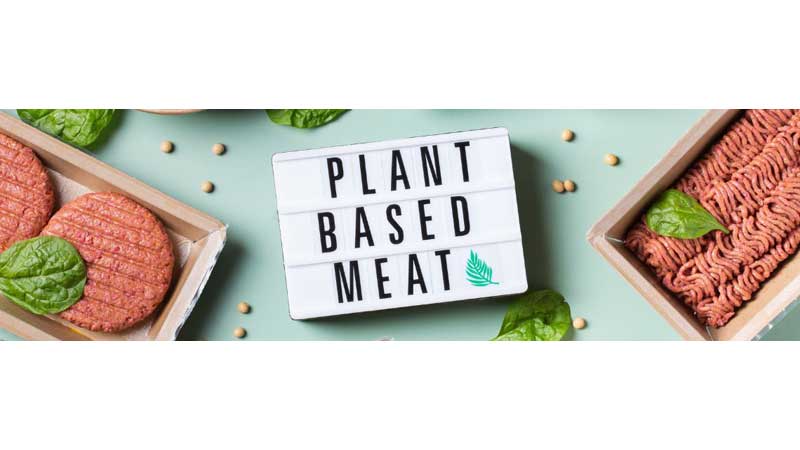
🌳🌿💵 Eating More Plants Could Save You 14% on Groceries, Says Report
Saturday, 29 July 2023 10:21.AM
Switching to a plant-based diet could save you around 14% at the till, says a report released by the Vancouver Humane Society (VHS). The report details how eating more plant-based foods can help individuals in British Columbia's Lower Mainland to cut down on grocery costs, reduce emissions, and save animal lives.
These findings follow the release of a poll commissioned by the VHS, which found that 92% of Lower Mainland residents are concerned about how the rising cost of living is impacting their finances and 66% would be open to eating more plant-based foods to save money. Food costs have skyrocketed over the past year, increasing by more than double the overall annual inflation rate at about 10%, and are expected to rise by 5 to 7% this year according to Canada's Food Price Report 2023.
By making the swap to plant-based alternatives, the average person could save $50 each month on groceries. That's about 14% of the typical monthly cost of groceries for a person living in Vancouver, which was $355.28 last year. The savings are greatest when swapping out animal products for whole foods – for instance, switching from chicken to tofu rather than to manufactured meat alternatives.
Individuals who eat a lot of beef and seafood could see even higher savings. Swapping 21 servings of beef for lentils each month could save $60, while swapping 21 servings of seafood for mushrooms could save a whopping $64 monthly.
In addition to cost savings, eating a plant-based diet could reduce an individual's carbon footprint by 816kg of carbon dioxide equivalents (CO2e) annually – about what it takes to power an entire home for six months.
A switch away from beef carries the greatest environmental impact – in the typical Lower Mainland diet, swapping beef for lentils reduces greenhouse gas emissions by nearly twice as much as swapping out all other animal products combined.
In 2020, a similar report from the VHS entitled "Increasing Plant-Based Purchasing at the Municipal Level" outlined the benefits of shifting toward more plant-based foods purchased by the City of Vancouver, including through catering, city-run concession stands, and municipal food funding. That report found by replacing 20% of animal-based food products with plant-based alternatives, the City of Vancouver could save up to $99,000 and reduce greenhouse gas emissions by more than 500 tonnes. In 2021, the Vancouver City Council unanimously passed a motion to explore policy recommendations outlined in the report.
SOURCE: Vancouver Humane Society
-
Related materials:
- 04-Jun-2026 04:41 PM ⚕️Celebrating 20 Years of Canadian Stroke Best Practice Recommendations
- 02-Jun-2026 12:00 PM ⚕️Your Genes May Explain Why Your ADHD Medication Isn't Working. Now There's a Test for That.
- 22-Apr-2026 02:14 PM 🍁💵Ontario Introducing Legislation to Protect and Strengthen Ontario’s Agri-Food Sector 🥔🥕
- 22-Mar-2026 10:23 AM 🍟👋⚖️ Food Businesses Face Penalties for Mislabelling Products as Canadian
- 14-Mar-2026 02:21 PM ⚕️New Regional Breakdown of Growing Health System Demands Underscores Need to Prevent, Detect and Better-Treat Chronic Illness
- 12-Mar-2026 12:00 PM ⚕️Improving Equitable Access to Sexual and Reproductive Health Services Across the Country
- 06-Mar-2026 04:33 PM ⚕️⚖️ Canada-wide Talcum Powder Class Action Certified Against Johnson & Johnson
- 05-Mar-2026 02:53 PM ⚕️👨🔬🔬 The World's Largest Brain Research Prize Awarded for Groundbreaking Discoveries on How We Sense Touch and Pain
- 06-Feb-2026 05:08 PM 🚗 General Motors is Canada's Electric Vehicles Sales Leader in 2025
- 06-Feb-2026 02:00 PM Upcoming Event: 🥘😋 NIssan Brings Ingenuity to Game Day Snacking with New Rogue Spot Starring Canadian Chef Matty Matheson